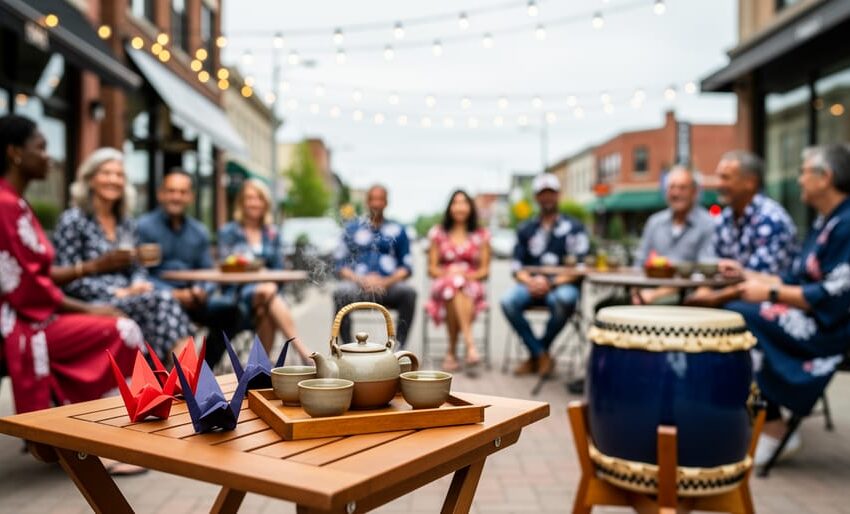
Japanese cultural activities transform Main Streets into vibrant community hubs by offering accessible, hands-on experiences that draw diverse audiences together while supporting local business districts. From calligraphy workshops and tea ceremonies to taiko drumming performances and origami sessions, these programming options create memorable gathering moments that cultural events strengthen communities across Canada.
Communities from Vancouver to Halifax have discovered that Japanese cultural programming delivers exceptional value for revitalization efforts. The activities require modest investment, attract multigenerational participation, and create natural partnerships between cultural organizations, local businesses, and municipal departments. A single afternoon tea ceremony demonstration can draw 75 participants into a heritage building that typically sees light foot traffic, while monthly origami circles foster ongoing connections that extend beyond the initial event.
The practical appeal matters just as much as the cultural enrichment. Most Japanese cultural activities scale easily to different venues and budgets, work well in both indoor and outdoor settings, and generate the kind of authentic community engagement that turns casual visitors into regular Main Street supporters.
The Growing Appeal of Japanese Culture in Canadian Communities
Japanese cultural activities have found enthusiastic audiences across Canada, from Vancouver’s bustling streets to small-town community centers in Atlantic provinces. This surge in popularity reflects more than a passing trend, it represents a deeper connection between Japanese cultural values and what Canadian communities seek to build on their Main Streets.
The appeal starts with accessibility. Unlike some cultural traditions that might feel exclusive or formal, Japanese cultural activities welcome participants of all backgrounds and experience levels. A tea ceremony workshop in Calgary or an origami class in Halifax invites curiosity without requiring prior knowledge. This openness aligns perfectly with Canada’s multicultural identity and demonstrates why cultural events matter in building inclusive communities.
Japanese culture also offers something increasingly valuable: mindful connection in a fast-paced world. Activities like calligraphy, ikebana flower arranging, or traditional craft workshops emphasize patience, attention to detail, and finding beauty in simplicity. These principles resonate with Canadians seeking meaningful experiences beyond mere entertainment.
The visual appeal matters too. Cherry blossoms, vibrant festival decorations, beautifully presented food, and elegant traditional garments create Instagram-worthy moments that naturally promote Main Street businesses and events. When a community hosts a Japanese cultural festival, the striking aesthetics draw crowds and generate organic social media buzz.
Perhaps most importantly, Japanese cultural programming bridges generations. A taiko drumming performance captivates children while honoring ancient traditions that older adults appreciate. Ramen festivals attract young foodies while introducing them to cultural context beyond trendy cuisine. This multi-generational appeal makes Japanese cultural activities particularly effective for Main Streets seeking to unite diverse community demographics around shared experiences.
Popular Japanese Cultural Activities Transforming Main Streets
Cultural Festivals and Seasonal Celebrations
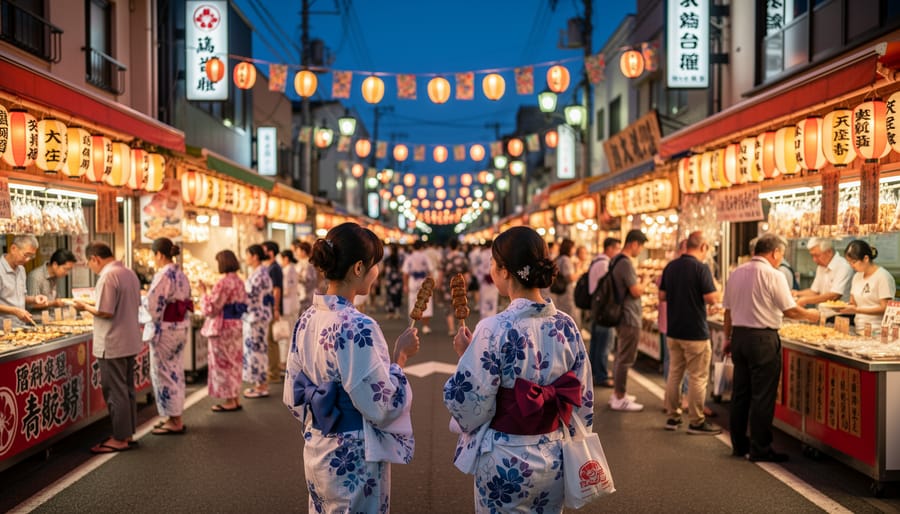
Japanese festivals transform Main Streets into immersive cultural experiences that draw thousands of participants each year. Cherry blossom viewings, inspired by Japan’s hanami tradition, have become signature springtime events in communities with accessible park spaces or tree-lined streets. The National Cherry Blossom Festival demonstrates the economic potential of these celebrations, attracting over 1.6 million visitors annually, a scale that translates to smaller but equally impactful events in Canadian towns.
Summer matsuri festivals bring Japanese street fair culture to local business districts, featuring taiko drumming performances, yukata fashion shows, and traditional game booths. These multi-hour events create natural browsing opportunities for participating merchants while offering families affordable weekend entertainment. Communities often schedule matsuri during slower business periods to boost seasonal traffic.
Fall cultural fairs celebrating harvest traditions and winter events showcasing illumination displays round out the calendar. The cyclical nature of Japanese festivals provides Main Street organizations with ready-made programming themes throughout the year, reducing planning burden while building anticipation among regular attendees. Each seasonal celebration offers opportunities to spotlight different local businesses, bakeries during moon-viewing festivals, craft shops during New Year preparations, creating rotating partnerships that strengthen the entire business corridor.
Hands-On Workshops and Experiential Learning
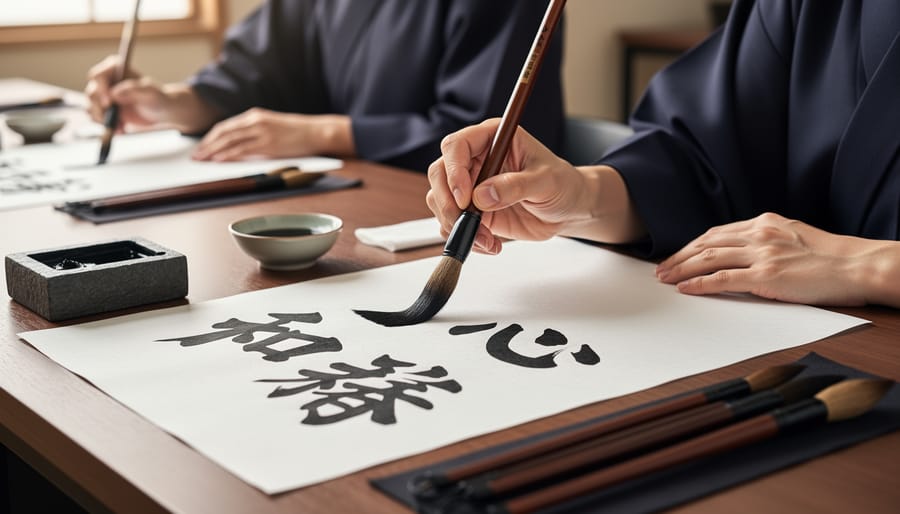
Hands-on workshops create immediate engagement that transforms passive observers into active participants. Calligraphy classes invite community members to experience the meditative precision of brush strokes, where each character becomes both art and mindfulness practice. These sessions typically run 90 minutes to two hours, giving participants enough time to understand basic techniques while producing a piece they can take home.
Origami workshops offer surprising versatility, from drop-in stations at farmers markets to multi-week courses exploring increasingly complex folds. A single instructor can guide groups of 20 or more through traditional designs like cranes and flowers, requiring minimal supplies while delivering maximum satisfaction. Libraries and community centers report these as consistently full programs.
Tea ceremony demonstrations and beginner classes provide insight into Japanese aesthetics and hospitality. The structured ritual appeals to those seeking calm in busy schedules, while the cultural context creates conversation starters that build connections among strangers. Some Main Streets have established monthly tea gatherings that now function as networking events.
Traditional craft workshops, including kumihimo braiding, furoshiki fabric wrapping, and temari ball embroidery, introduce techniques that participants can continue practicing at home. This culturally informed community engagement creates ongoing interest rather than one-time attendance, with many workshops generating requests for advanced sessions.
Local artisans and cultural practitioners often welcome opportunities to share their knowledge, creating instructor relationships that support recurring programming without significant budget demands. The experiential nature ensures each workshop generates social media moments and word-of-mouth promotion that extends well beyond the event itself.
Culinary Experiences and Food-Focused Events
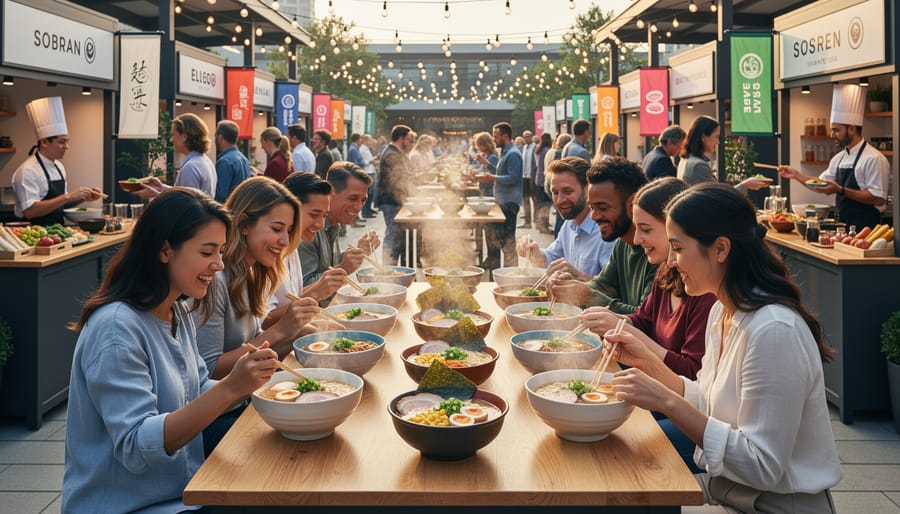
Food has always been a powerful community connector, and Japanese culinary culture brings exactly the kind of distinctive, engaging experiences that draw people to Main Streets. When a community hosts a ramen festival, the impact extends far beyond a single weekend, local restaurants see increased foot traffic, new customers discover neighborhood businesses, and the event creates lasting buzz that keeps people coming back.
Sake tastings paired with local appetizers transform ordinary restaurant evenings into cultural experiences that appeal to both longtime enthusiasts and curious newcomers. These events work particularly well in shoulder seasons when Main Streets need creative programming to maintain momentum. Many communities have found success with themed culinary weeks where multiple restaurants collaborate on special Japanese-inspired menus, creating a dining circuit that moves visitors up and down the street rather than keeping them in one location.
Cooking demonstrations and hands-on food workshops fill a different niche entirely. A sushi-making class at a local restaurant or community center doesn’t just teach technique, it builds relationships between participants and creates word-of-mouth marketing that money can’t buy. The major events economic benefits research confirms what many Main Street leaders already know: food-focused programming generates spending that extends beyond the event itself into nearby shops, cafes, and services.
The key is authenticity. Partner with Japanese restaurants and culinary professionals in your community to design experiences that respect the culture while remaining accessible to newcomers. A well-executed food event doesn’t just feed people, it gives them a reason to return, explore, and bring friends next time.
Success Stories: Canadian Main Streets Embracing Japanese Culture
Communities across Canada have discovered that Japanese cultural programming can breathe new life into their Main Streets while strengthening community bonds. Powell Street in Vancouver stands as perhaps the most established example, where the annual Powell Street Festival has been drawing crowds since 1977. What began as a small community celebration has evolved into one of Canada’s largest Japanese cultural festivals, attracting over 20,000 visitors each summer and generating substantial economic activity for local businesses throughout the weekend.
The festival’s success sparked year-round Japanese cultural programming in the area. Local businesses now regularly host tea ceremony demonstrations, martial arts showcases, and ikebana workshops that keep visitors returning between festivals. Restaurant owners report that festival attendees often become regular customers, discovering authentic Japanese cuisine and returning with friends and family throughout the year.
In Toronto’s East Chinatown neighbourhood along Gerrard Street East, businesses have integrated Japanese cultural elements alongside existing programming to broaden their appeal. The area’s annual Cherry Blossom Festival, launched in 2015, transformed a quiet spring weekend into the neighbourhood’s busiest event of the year. Within three years, participating businesses reported a 40 percent increase in foot traffic during festival weekends, with many seeing sustained customer growth in following months.
We watched our neighbourhood transform from a place people drove through to a destination where families spend entire afternoons exploring shops, trying new restaurants, and participating in cultural activities together.
This pattern repeats in smaller communities too. Lethbridge, Alberta integrated Japanese cultural activities into their Downtown Farmers’ Market programming, adding origami stations, calligraphy demonstrations, and Japanese street food vendors. Market attendance grew by 25 percent in the first season, with vendors reporting higher sales and longer customer dwell times.
Edmonton’s Old Strathcona district partnered with the local Japanese Cultural Association to create monthly cultural nights featuring different aspects of Japanese tradition. These events filled restaurant seats on traditionally slow evenings and introduced residents to businesses they had never visited. The programming proved so popular that several participating venues now offer Japanese-themed experiences year-round, from sake bars to shops featuring Japanese crafts and design.
Building Partnerships for Authentic Cultural Programming
Authentic Japanese cultural programming begins with genuine community relationships. Main Street organizations should start by reaching out to local Japanese cultural associations, community centers, and the Japanese Canadian Cultural Centre network that operates across major Canadian cities. These established organizations possess the cultural knowledge and community connections essential for creating programming that respects tradition while engaging contemporary audiences.
Building meaningful partnerships requires approaching cultural communities as collaborators, not suppliers. Instead of requesting performers or presenters for predetermined events, invite Japanese community representatives into the planning process from the beginning. This collaborative approach ensures programming reflects authentic cultural values and avoids superficial or stereotypical representations. Community members can guide everything from activity selection to proper protocol, marketing language, and cultural context that enriches participant experiences.
Look for diverse voices within the Japanese Canadian community. Second and third-generation Japanese Canadians bring different perspectives than recent immigrants, and both contribute valuable insights. Engage artists, business owners, cultural practitioners, and community elders who can share their expertise while helping your Main Street organization understand the cultural significance behind activities you’re presenting.
Formalize partnerships through clear agreements that outline shared goals, responsibilities, and how cultural contributors will be compensated for their time and expertise. Many communities make the mistake of expecting cultural programming on volunteer labour alone. Fair compensation demonstrates respect for cultural knowledge and creates sustainable relationships that support ongoing programming.
Consider establishing a cultural advisory committee that includes Japanese community representatives who can provide ongoing guidance as your programming evolves. This structure creates accountability while building long-term relationships that extend beyond individual events, transforming occasional cultural activities into meaningful, sustained community partnerships that benefit everyone involved.
Getting Started: Bringing Japanese Cultural Activities to Your Main Street
Start by assessing your community’s existing connections to Japanese culture, whether through local residents, cultural associations, or nearby educational institutions. Reach out to these groups early to build authentic partnerships that strengthen Main Street while respecting cultural traditions. These relationships will guide programming decisions and ensure events reflect genuine cultural practices rather than superficial interpretations.
To launch your first Japanese cultural activity, follow these steps:
- Identify a simple, accessible starting point like an origami workshop, cultural film screening, or small seasonal celebration that requires minimal resources.
- Secure a local venue such as a community center, library, or willing Main Street business that can host your initial event.
- Connect with cultural experts or community members who can lead activities or provide guidance on authentic presentation.
- Promote through existing Main Street channels, local media, and community networks with clear messaging about what participants will experience.
- Gather feedback immediately after your first event to understand what resonated and what needs adjustment for future programming.
Consider timing your initial activities around existing Main Street events to build on established foot traffic patterns. Many communities find success pairing Japanese cultural elements with farmers markets, street festivals, or holiday celebrations. Start small, measure response, and expand based on community interest and partnership capacity. Document your experiences to share learnings with other Main Street organizations facing similar opportunities.
Japanese cultural activities offer Main Streets a proven pathway to community revitalization that goes beyond simple programming. These events and experiences create gathering spaces where residents discover new traditions, local businesses find fresh audiences, and neighborhoods rediscover their collective identity. From seasonal festivals that transform streetscapes into celebration zones to intimate workshops that build lasting connections, cultural programming rooted in Japanese traditions demonstrates how diversity strengthens the fabric of Canadian communities.
The success stories emerging from Main Streets across Canada reveal a consistent pattern: when communities invest in authentic cultural experiences, they create momentum that extends far beyond individual events. Foot traffic increases, new partnerships form, and businesses find innovative ways to connect with their customers. Most importantly, residents develop a renewed sense of pride in their local Main Street.
Your Main Street doesn’t need massive resources to start this journey. Begin with one partnership, one event, or one workshop that reflects your community’s interests and capacity. The value of cultural programming lies not in scale but in authenticity and consistency. As Canadian Main Streets continue demonstrating, cultural celebration isn’t just about preserving tradition, it’s about building vibrant, inclusive spaces where everyone belongs.