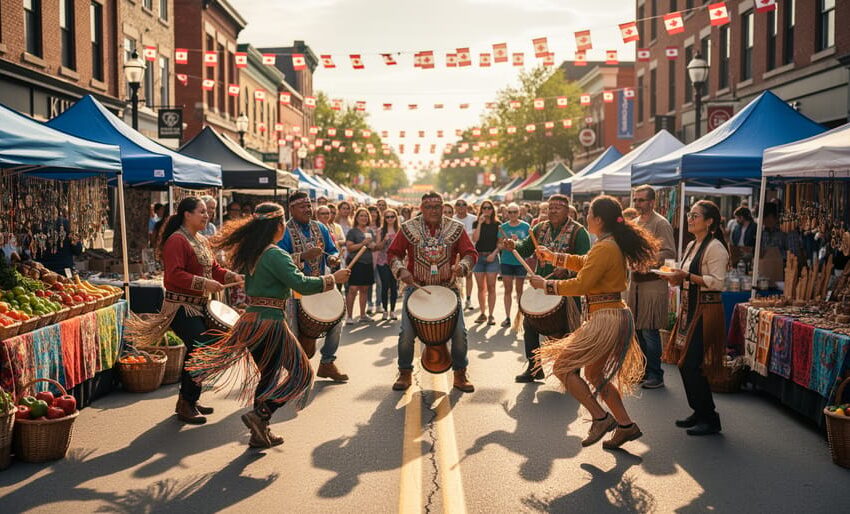
Cultural events are gatherings, performances, celebrations, or activities that express and share the values, traditions, arts, and heritage of a community or group. They transform public spaces into stages for storytelling, connection, and creative expression, from Indigenous drum circles on Prairie main streets to multicultural food festivals in Maritime downtowns.
For Canadian Main Street communities, cultural events serve as powerful catalysts for economic vitality and social cohesion. A well-executed summer street festival can draw thousands of visitors to local businesses, while a weekly farmers market becomes a ritual that anchors neighbourhood identity. These gatherings create the experiences that turn casual visitors into regular customers and residents into community champions.
Understanding what qualifies as a cultural event matters because it shapes how communities allocate resources, plan programming, and measure impact. The definition extends far beyond large-scale festivals. A gallery opening above a hardware store, a poetry slam in a community hall, or a traditional craft demonstration during a sidewalk sale all count as cultural events when they foster connection and celebrate shared or diverse identities.
This guide breaks down the essential elements that define cultural events, explores how they function in practice on Canadian Main Streets, and categorizes the types that consistently strengthen local economies and community bonds. You’ll discover why these gatherings matter beyond attendance numbers and how communities across Canada leverage cultural programming to revitalize their downtowns and build lasting prosperity.
What Are Cultural Events?
Cultural events are organized public gatherings that celebrate, share, and preserve the artistic, historical, and social traditions that give a community its unique identity. These events create spaces where residents and visitors come together to experience and participate in cultural expression, whether through music, dance, storytelling, food, visual arts, or heritage celebrations. On Canadian Main Streets, cultural events range from Indigenous powwows and multicultural festivals to heritage walking tours, live theatre performances, and seasonal celebrations that reflect both local history and the diverse communities that call these neighbourhoods home.
What distinguishes cultural events from other community gatherings is their intentional focus on cultural expression and preservation. A street hockey tournament brings people together, but a Ukrainian harvest festival on Main Street connects participants to centuries-old agricultural traditions through folk dancing, traditional foods, and crafts demonstrations. This cultural dimension transforms ordinary gatherings into meaningful experiences that strengthen community bonds while honouring the past.
- Cultural Heritage
- The traditions, customs, languages, and artistic expressions passed down through generations that define a community’s collective identity and shared history.
- Community Celebration
- A public gathering that brings residents together to mark significant occasions, honour shared values, or recognize the contributions of community members and groups.
- Traditional Arts
- Artistic practices rooted in specific cultural traditions, including folk music, dance, storytelling, craftwork, and culinary arts that reflect a community’s heritage.
- Public Programming
- Organized cultural activities and events accessible to the broader community, designed to educate, entertain, and engage diverse audiences in shared experiences.
Canadian Main Streets thrive when they host regular cultural events that reflect the character of their communities. A farmers market featuring Indigenous artisans in Thunder Bay, a French-language theatre festival in Moncton, or a Diwali street celebration in Brampton, each represents cultural programming tailored to local identity while welcoming participation from the entire community.
How Cultural Events Work
The Planning Process
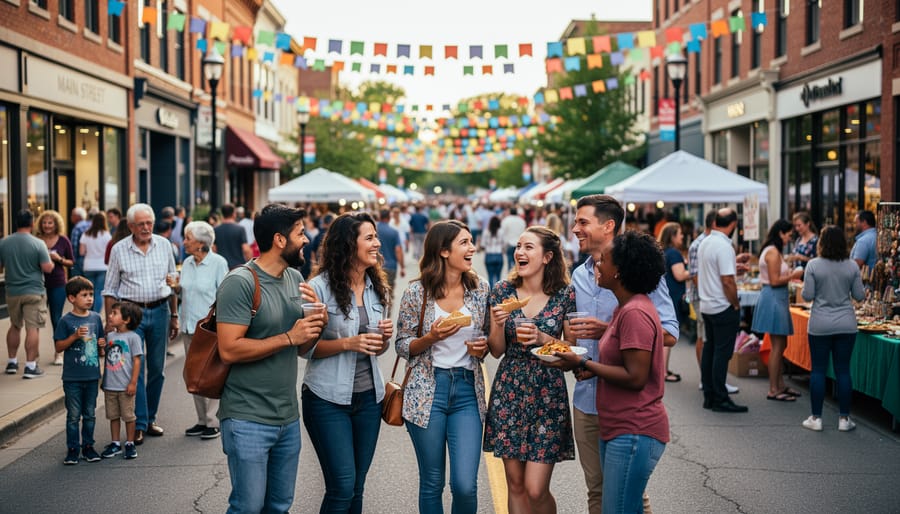
Every successful cultural event begins with a clear vision rooted in community needs and interests. Organizers start by consulting residents, local businesses, and cultural groups to identify what celebrations would resonate most. This grassroots input ensures events reflect authentic community identity rather than imposed programming.
Funding typically comes from multiple sources: municipal grants, local business sponsorships, provincial cultural programs, and sometimes federal support through agencies like Canadian Heritage. Many Main Street communities pool resources through BIAs (Business Improvement Areas) or community associations to create sustainable event budgets.
The organizational phase involves assembling planning committees that represent diverse community voices, business owners, artists, volunteers, and cultural representatives. These teams handle logistics: securing permits, coordinating vendors, managing volunteers, and creating promotional campaigns. Timeline matters: most substantial cultural events require six to twelve months of advance planning.
Successful organizers build partnerships early. They engage municipal departments for infrastructure support, recruit local sponsors who benefit from event visibility, and involve community organizations that can mobilize volunteers. This collaborative foundation transforms individual effort into collective community achievement, increasing both the event’s impact and its long-term sustainability.
The Role of Main Street Organizations
Main Street organizations across Canada serve as crucial facilitators and champions of cultural events within their communities. These organizations typically coordinate between multiple stakeholders, municipal governments, local businesses, arts groups, and community volunteers, to bring cultural programming to life on their downtown streets.
Most Main Street groups provide practical support that makes events possible: they help secure permits and insurance, coordinate street closures, connect organizers with local vendors and sponsors, and handle logistics like traffic management and waste removal. Many also offer seed funding through grants or sponsorships, reducing financial barriers for community groups wanting to launch new cultural initiatives.
Beyond logistics, Main Street organizations play a strategic role by integrating cultural events into comprehensive revitalization plans. They identify gaps in programming, ensure events are spread throughout the year to maintain consistent foot traffic, and work to attract diverse audiences that reflect the community’s demographics. By tracking attendance, economic impact, and business feedback, these organizations demonstrate the value of cultural events to municipal partners and justify continued investment in programming that transforms Main Streets into vibrant cultural destinations.
Types of Cultural Events
Festivals and Celebrations
Festivals and celebrations represent the most visible and well-attended category of cultural events on Canadian Main Streets. These large-scale gatherings bring entire communities together around shared themes, whether honoring seasonal transitions, celebrating cultural diversity, or marking significant historical moments.
Multicultural festivals showcase the ethnic diversity that defines modern Canadian communities, featuring food vendors, traditional performances, and cultural demonstrations from multiple heritage groups. Indigenous celebrations like National Indigenous Peoples Day events and powwows provide opportunities for First Nations, Métis, and Inuit communities to share their traditions, languages, and artistic practices with broader audiences while affirming cultural identity.
Regional heritage days celebrate the unique historical character of specific communities, from Maritime lobster festivals to prairie agricultural fairs to Québécois Saint-Jean-Baptiste Day celebrations. These events typically feature parades, live music, artisan markets, historical displays, and family activities that transform Main Street into a gathering place for residents and visitors alike.
What distinguishes festivals from other cultural events is their scale, duration, and community-wide participation. They generate significant economic activity for local businesses while creating memorable shared experiences that strengthen community bonds and civic pride.
Arts and Performance Events
Arts and performance events transform Main Streets into vibrant cultural hubs through live artistic expression. These gatherings showcase local and visiting talent while drawing audiences into the community’s commercial core.
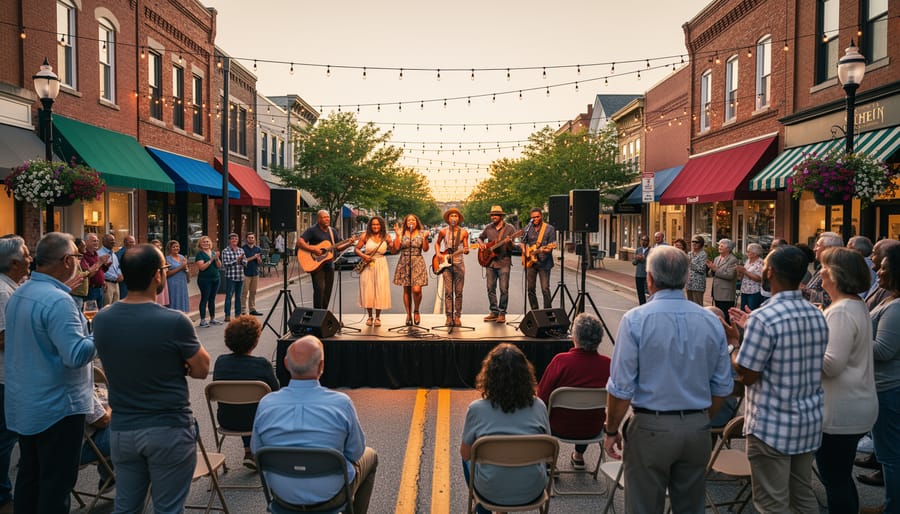
Concert series, from classical recitals to contemporary bands, activate public spaces and storefronts during evenings and weekends. Theatre productions, whether professional touring shows or community amateur performances, create repeated foot traffic as audiences return for multiple evenings. Dance performances celebrate both traditional forms like Indigenous powwow dancing or Highland dancing and contemporary choreography.
Gallery openings and artist receptions turn Main Street studios into social gathering spots where residents meet creators and purchase original work. Live demonstrations, potters at wheels, painters creating murals, blacksmiths forging iron, let passersby witness artistic processes firsthand, often stopping mid-errand to watch craftspeople work.
These events don’t require massive budgets. Successful programs often start with monthly open mic nights, seasonal street busking, or partnerships with local arts schools seeking performance venues.
Food and Culinary Events
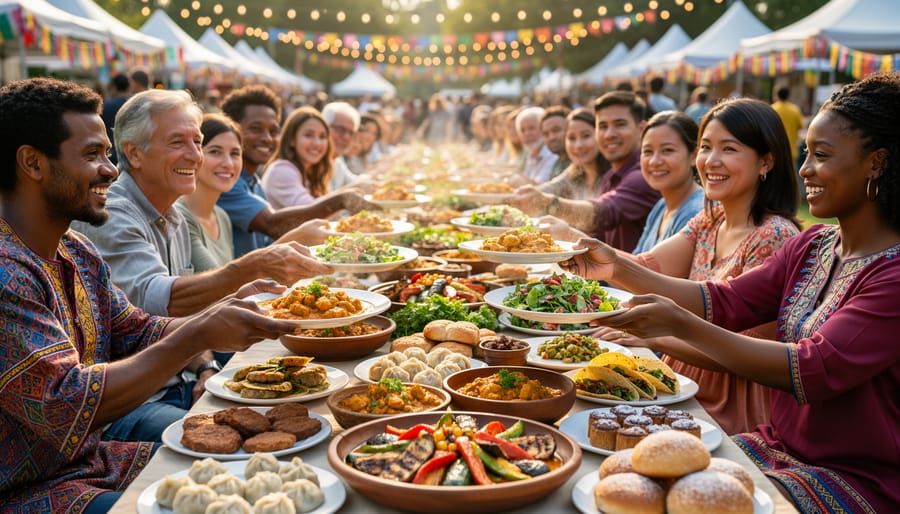
Food and culinary events transform Main Streets into vibrant marketplaces where culture is shared through taste and tradition. Farmers markets anchor weekly community rhythms, connecting local growers with residents while celebrating regional agriculture. Ethnic food festivals showcase the diverse culinary heritage within Canadian communities, Ukrainian pierogi festivals, Chinese New Year banquets, Caribbean food fairs, each offering authentic flavors and cultural storytelling through shared meals.
Culinary tours guide participants through Main Street’s food landscape, stopping at family-owned bakeries, heritage restaurants, and specialty food shops that represent generations of tradition. Tasting events like wine and cheese pairings, craft beer festivals, and Indigenous food experiences create informal gathering spaces where conversation flows as freely as the samples. These events do more than feed people. They preserve recipes passed down through families, support local food producers, and create welcoming entry points for residents to experience cultures different from their own through the universal language of food.
Heritage and Educational Events
Heritage and educational events transform Main Streets into living classrooms where history comes alive and traditions pass to new generations. These gatherings prioritize learning and preservation over pure entertainment, though they often engage audiences just as effectively.
Historical reenactments bring past eras into the present. Actors in period dress might recreate pivotal moments from a town’s founding or demonstrate traditional crafts like blacksmithing and quilting. Walking tours led by local historians reveal the stories behind heritage buildings and monuments that passersby see daily but rarely understand.
Cultural workshops offer hands-on learning experiences. Indigenous communities share traditional beadwork, drumming, or language lessons. Immigrant groups teach their native cooking techniques or folk arts. These sessions preserve skills that might otherwise disappear while building cross-cultural understanding.
Educational programs range from heritage talks at libraries to children’s programs exploring local archaeology. Some communities organize heritage days when historic sites open their doors with guided tours and interactive displays. The goal remains consistent: connecting people to the traditions and knowledge that shaped their community.
Why Communities Host Cultural Events
Building Social Connections
Cultural events break down the invisible walls that often separate neighbours. When residents gather for a street festival or community concert, they share experiences that transcend age, background, and daily routines. These moments of collective celebration create natural opportunities for conversation and connection that simply don’t happen during ordinary weekday interactions.
Research on arts events and social cohesion shows how shared cultural experiences strengthen community bonds. On Canadian Main Streets, this plays out in powerful ways. A Ukrainian dance performance introduces longtime residents to newcomer families. A sidewalk art fair gives introverted teens and gregarious seniors a reason to chat. A pancake breakfast after a heritage parade turns strangers into acquaintances, then friends.
The regular rhythm of cultural programming matters too. Annual events become social anchors that bring people back year after year, deepening relationships over time.
Supporting Local Economy
Cultural events transform Main Streets into economic engines. When a festival, market, or performance draws crowds, local shops, restaurants, and service businesses benefit directly from the surge in foot traffic. Visitors buy meals, browse storefronts, and often return later, extending the economic impact well beyond event day.
Research confirms what Main Street communities already know: cultural festivals spur spending across multiple sectors. A weekend music festival fills hotels and taxis. A heritage celebration sends families into cafés and gift shops. Even smaller events like monthly art walks create repeat visitors who become regular customers.
The multiplier effect matters too. When attendees spend money at one Main Street business, that revenue circulates through the local economy, paying staff, purchasing supplies, and funding future investment. For communities working to revitalize their downtowns, cultural events provide immediate economic activity while building the long-term brand that sustains growth.
Celebrating Identity and Heritage
Cultural events serve as living archives, offering communities a powerful way to keep their stories, customs, and values alive across generations. When a Main Street hosts a heritage celebration, traditional craft fair, or historical commemoration, it does more than entertain, it reinforces the shared identity that makes each community distinct. These gatherings create space for elder knowledge-holders to pass down traditional skills, for newcomers to share their cultural practices, and for residents to take pride in what makes their town unique. Preserving cultural identity through public events strengthens social cohesion and gives younger generations tangible connections to their roots.
Moose Jaw, Saskatchewan demonstrates this principle in action. The city’s annual Mosaic Festival celebrates the diverse cultural backgrounds that built the community, Ukrainian dance troupes perform alongside Filipino singers, Scottish pipe bands share the stage with Chinese dragon dancers. Each performance tells part of Moose Jaw’s story, transforming Main Street into a stage where heritage isn’t preserved in dusty exhibits but celebrated as vibrant, living tradition that continues to shape the community’s character.
Cultural Events on Canadian Main Streets
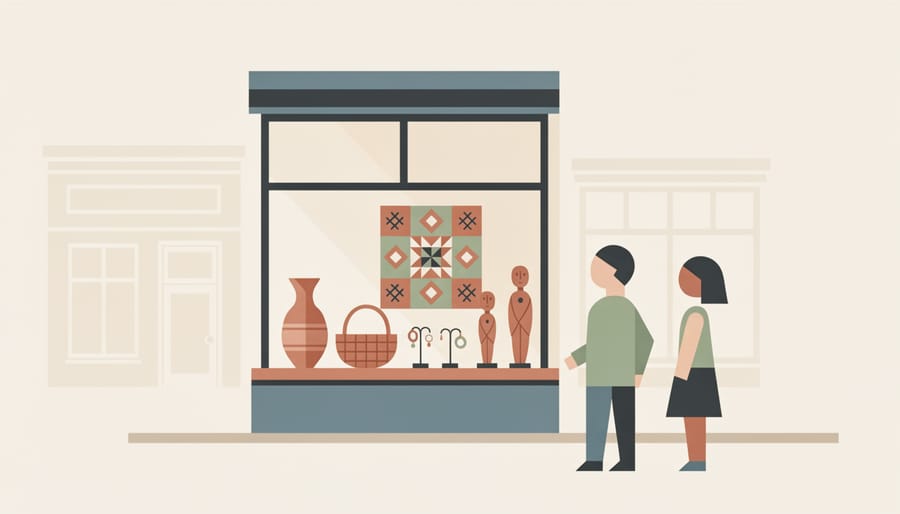
Across Canada, Main Street communities have discovered that cultural events serve as powerful catalysts for revitalization, transforming quiet streets into vibrant gathering places while strengthening local economies and community bonds.
In Stratford, Ontario, what began as a single Shakespearean festival in 1953 has grown into a cultural anchor that completely reshaped the downtown core. The Stratford Festival now draws hundreds of thousands of visitors annually, sustaining dozens of restaurants, boutiques, and accommodations along the historic Main Street. Beyond the economic impact, the festival created a cultural identity that residents rallied around, leading to complementary events throughout the year and inspiring other communities to leverage arts programming as a revitalization strategy.
Nelson, British Columbia offers another compelling example. This mountain town of 10,000 people hosts more than 40 cultural events annually, from the Kaslo Jazz Festival to heritage walking tours celebrating the community’s Victorian architecture. Local businesses report that event weekends generate three times their typical revenue, while year-round cultural programming has attracted young families and entrepreneurs seeking a vibrant, arts-focused community. The consistent event calendar transformed Nelson from a struggling resource town into a cultural destination.
The town of Wakefield, Quebec built its revitalization around celebrating its unique heritage as a historic mill town. Their annual Great Wakefield Garage Sale and summer concert series draw thousands to the Main Street district, filling local cafés and shops. Community organizers partnered with local musicians and artisans to create authentic, grassroots events that reflect the town’s character rather than importing generic festivals, resulting in genuine community engagement and sustained participation.
These success stories share common elements: authentic connection to local identity, strong partnerships between Main Street organizations and local businesses, and consistent programming that gives residents and visitors reasons to return throughout the year.
Common Questions About Cultural Events
Community leaders and event organizers frequently face similar challenges when launching cultural programming. Understanding these common concerns helps demystify the process and builds confidence in communities exploring their first major event.
What makes a cultural event successful?
A successful cultural event authentically reflects community identity, engages diverse participants, and creates meaningful connections between attendees. Strong community involvement from the planning stage ensures the event meets real needs rather than imposed ideas.
How can small communities afford cultural events?
Small communities leverage partnerships with local businesses, apply for grants through provincial arts councils and Main Street Canada programs, and rely on volunteer support to minimize costs. Starting small with a single-day event allows communities to build capacity and demonstrate value before scaling up.
How do you measure cultural event impact?
Track both quantitative metrics like attendance numbers, vendor sales, and hotel bookings alongside qualitative feedback through surveys and community conversations. The most meaningful measures often include repeat participation rates and new partnerships formed as a result of the event.
What partnerships are most valuable for cultural events?
Partnerships with Main Street organizations, local business improvement areas, cultural institutions like museums or arts councils, and community groups representing diverse populations create the strongest foundation. These collaborations share resources, expand reach, and ensure events serve the broader community.
The answers to these questions reveal a consistent truth: cultural events thrive when communities approach them as collaborative efforts rather than isolated initiatives. Patience matters too. Many of Canada’s most beloved cultural events started modestly and grew over years as organizers learned what resonated with their specific community and refined their approach accordingly.
how it works
Cultural events follow a cyclical process that begins with identifying community interests and cultural assets. Organizers assess what stories, traditions, and artistic expressions resonate locally, then build programming around those themes. A multicultural festival might emerge from consultations with immigrant communities, while a heritage walking tour could draw on historical society expertise.
Successful events require collaboration. Local governments often provide permits and infrastructure support. Main Street organizations recruit volunteers and coordinate with businesses. Sponsors contribute funding or in-kind donations. Artists, performers, and cultural groups supply the creative content that makes each event distinctive.
The execution phase involves careful logistics, securing venues, arranging equipment, managing crowd flow, and ensuring accessibility. Volunteers staff information booths, vendors set up displays, and performers prepare their presentations. Behind the scenes, organizers handle insurance, security, and contingency planning.
After the event, organizers gather feedback and measure outcomes: attendance numbers, economic impact on nearby businesses, media coverage, and community sentiment. These insights shape future programming, creating a continuous improvement cycle that keeps cultural events relevant and impactful year after year.
Types or components
Understanding the building blocks of cultural events helps communities design programming that resonates. While every event is unique, most share common components that work together to create meaningful experiences.
The venue sets the stage, whether a historic Main Street storefront, public square, or community centre. Location matters: accessible, visible spaces invite broader participation and reinforce the event’s connection to place.
Programming forms the heart of any cultural event. This includes performances, demonstrations, exhibitions, workshops, or ceremonies that deliver the cultural content. Strong programming reflects community input and showcases authentic voices.
Community engagement drives success. Volunteers, local businesses, cultural groups, and attendees all play essential roles. Events thrive when they create opportunities for active participation rather than passive observation.
Logistical elements provide the framework: permits, insurance, safety planning, accessibility accommodations, and vendor coordination. These practical components enable the cultural programming to shine without distraction.
Marketing and storytelling build awareness and excitement. Effective events share their purpose clearly, invite diverse audiences, and create narratives that extend beyond the event date itself, reinforcing community identity year-round.
uses
Cultural events serve multiple essential functions in community life. They act as economic engines, drawing visitors and generating revenue for local businesses while creating opportunities for vendors, artists, and service providers. Main Streets use cultural programming to increase foot traffic during traditional slow periods and extend shopping hours into evenings and weekends.
These gatherings function as social infrastructure, providing spaces where neighbours meet, newcomers integrate, and relationships form across age groups and backgrounds. Communities deploy cultural events to welcome immigrants, celebrate diversity, and create shared experiences that build belonging.
Cultural events preserve heritage by keeping traditional practices alive, passing knowledge between generations, and documenting local history. They also serve as platforms for innovation, giving emerging artists venues to showcase work and allowing communities to experiment with new forms of expression.
From a practical standpoint, cultural events support downtown revitalization efforts by demonstrating vibrancy to investors, improving perceptions of public safety through active use of spaces, and creating compelling reasons for residents to choose Main Street over suburban alternatives. They transform ordinary streetscapes into destinations worth visiting repeatedly.
Cultural events stand as one of the most powerful tools available for Main Street revitalization. They transform public spaces into gathering places, quiet storefronts into bustling hubs, and diverse populations into cohesive communities. The evidence from across Canada demonstrates that cultural programming delivers measurable results: stronger local economies, deeper social connections, and more vibrant community identities.
For community leaders and Main Street organizations, the path forward is clear. Start where you are. A small heritage walk can evolve into an annual festival. A single concert can spark a summer concert series. The key lies not in scale but in authenticity and community engagement.
Canadian Main Streets that embrace cultural events as core revitalization strategies consistently outperform those that focus solely on physical improvements or business recruitment. Events bring people together, create shared experiences, and remind communities why their Main Street matters. They turn visitors into regulars and residents into champions.
The question isn’t whether your community can afford cultural programming. It’s whether you can afford to go without it.