
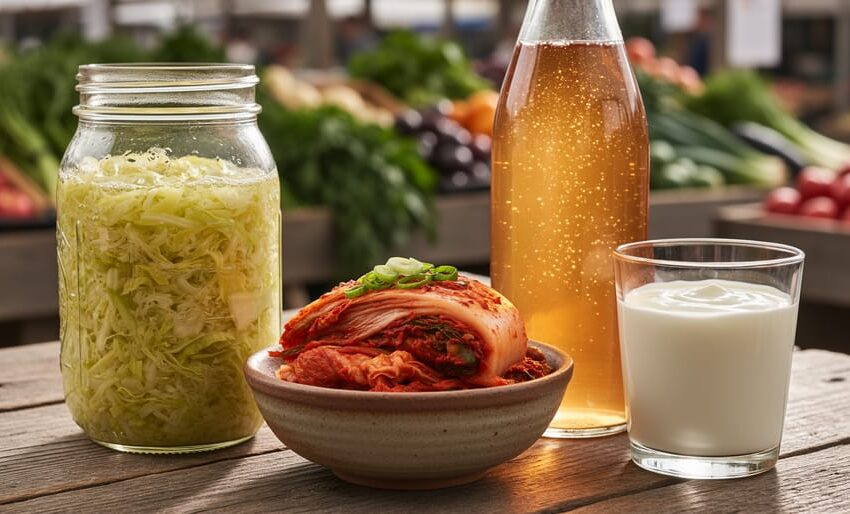
Fermented foods are cultured powerhouses packed with beneficial probiotics that support digestion, strengthen immunity, and enhance overall wellness. From tangy sauerkraut and kimchi to creamy yogurt and bubbly kombucha, these traditionally preserved foods span cultures and continents, offering flavors and health benefits that have sustained communities for thousands of years. What makes fermented foods particularly exciting for Canadians is the growing network of local producers transforming this ancient craft into a vibrant part of our modern food landscape.
When you explore fermented options, you’re tapping into more than a health trend. You’re connecting with traditional Canadian foods and supporting artisans who bring authentic, small-batch products to farmers markets and specialty shops across the country. These live-culture foods contain microorganisms that can improve gut health, boost nutrient absorption, and even support weight management, making them valuable additions to any diet.
The beauty of fermented foods lies in their diversity. Some, like miso and tempeh, offer plant-based protein alternatives. Others, like cheese and kefir, deliver calcium-rich dairy options. Pickles, olives, and wild fermented sodas round out the spectrum with bold, complex flavors that elevate everyday meals. As Main Street Canada communities continue to revitalize their local food systems, fermented food producers are becoming anchors of this movement, creating jobs, preserving culinary traditions, and giving shoppers compelling reasons to choose local over corporate alternatives.
This guide will walk you through fifteen essential fermented foods, helping you understand what makes each unique, where to find quality versions, and how they contribute to both your health and the strength of Canadian Main Street economies.
How We Chose These Fermented Foods
We carefully selected these fifteen fermented foods based on criteria that reflect both nutritional value and community relevance. Each item earned its place by meeting specific standards that connect wellness with the vibrant, diverse food systems found along Canadian Main Streets.
Our selection criteria included:
- Proven probiotic benefits with live microbes that support digestion and immunity
- Availability from Canadian producers across multiple provinces
- Accessibility through Main Street shops, specialty stores, and local farmers markets
- Cultural relevance to Canada’s diverse communities, from Korean kimchi to European sauerkraut
- Active production by local artisans and small-batch entrepreneurs
We drew on resources from Canadian Fermented Foods, which maintains comprehensive lists of local producers and provincial farmers market directories. Their consumer resources highlight the breadth of probiotic-rich options available nationwide, from kombucha and kefir to wild fermented sodas. This approach ensures the foods on our list aren’t just healthy choices, but also opportunities to support the local businesses and food makers who strengthen Main Street economies. Each selection represents both a path to better health and a way to invest in your community’s food future.
1. Kimchi: Korea’s Gift to Canadian Main Streets
Kimchi brings Korean fermentation tradition to Canadian communities through a vibrant mix of napa cabbage, Korean red pepper, garlic, ginger, and salt that transforms into a spicy, tangy staple packed with live microbes. This centuries-old preservation method creates beneficial bacteria during fermentation, supporting digestive health and adding complex flavors that deepen over weeks in the jar.
Walk through any farmers market in Vancouver, Toronto, or Calgary and you’ll likely spot Korean-Canadian producers offering fresh batches alongside pickles and sauerkraut. Korean-owned businesses on Main Streets across the country stock both imported and locally-made varieties, from mild white kimchi to fiery traditional recipes passed down through generations.
The fermentation process makes kimchi’s nutrients more bioavailable while populating each serving with probiotics that support gut health. Local producers often experiment with Canadian ingredients, think Ontario cabbage or Quebec garlic, creating regional variations that honor tradition while celebrating local agriculture. Whether you buy a jar at your neighborhood Korean grocery or pick up small-batch kimchi at a community market, you’re supporting businesses that strengthen both your microbiome and your Main Street economy.
2. Sauerkraut: A European Classic Made Local
Sauerkraut transforms humble cabbage into a probiotic powerhouse through a simple fermentation process that has sustained European communities for centuries. Shredded cabbage mixed with salt creates an environment where beneficial bacteria thrive, producing lactic acid that preserves the vegetable and creates that distinctive tangy flavor. This natural fermentation develops live microbes that support digestive health and immunity.
Across Canada, artisan producers honor this European tradition while adding local character. Small-batch fermenters at farmers markets craft sauerkraut using Canadian-grown cabbage, often experimenting with regional twists like maple syrup or wild herbs. German-Canadian communities in Ontario, Mennonite producers in the Prairies, and craft food makers in Quebec all maintain sauerkraut-making traditions that connect heritage with modern wellness trends.
You’ll find authentic sauerkraut at local markets, European delis, and specialty food shops on Main Streets throughout the country. Look for refrigerated varieties labeled “raw” or “unpasteurized” to ensure you’re getting the live beneficial bacteria that make this fermented food worth eating.
3. Kombucha: Fermented Tea for Modern Wellness
Kombucha has become one of the most recognizable faces of the fermentation movement on Canadian Main Streets. This effervescent tea drink starts with sweetened black or green tea, then undergoes fermentation through a symbiotic culture of bacteria and yeast, often called a SCOBY. The result is a tangy, slightly sweet beverage packed with live microbes that support digestive health and immunity.
Walk into most Canadian cafes and health food stores today, and you’ll find kombucha on tap or by the bottle. What once seemed exotic now sits alongside coffee and smoothies as a mainstream wellness choice. Local producers have transformed this ancient drink into a community business, experimenting with Canadian ingredients like wild berries, maple, and locally-grown herbs to create regional flavors that reflect their Main Street neighborhoods.
The success stories are inspiring. Small-batch kombucha makers have turned farmers market stalls into thriving Main Street storefronts, creating jobs and drawing customers who value both the probiotic benefits and the chance to support local entrepreneurs. These producers often source their tea and flavoring ingredients from nearby suppliers, strengthening the entire local food economy. For communities working to revitalize their commercial districts, kombucha brewers represent exactly the kind of artisan business that brings foot traffic, conversation, and a sense of place back to Main Street.
4. Yogurt: Canada’s Everyday Probiotic
Yogurt stands as Canada’s most accessible entry point into fermented foods, sitting in nearly every grocery store cooler from Newfoundland to British Columbia. This creamy staple results from bacterial cultures transforming milk into a probiotic-rich food that supports digestive health and strengthens immune function.
Canadian dairies produce millions of litres annually, from major brands to small-batch operations on rural Main Streets. The live active cultures in quality yogurt deliver beneficial bacteria directly to your gut, making it one of the easiest ways to incorporate probiotics into daily meals without special preparation or acquired taste adjustments.
Walk into any local co-op, farmers market dairy stall, or Main Street grocer and you’ll find options ranging from plain Greek yogurt to flavoured varieties with regional fruit. Canadian producers increasingly highlight their probiotic content and local sourcing, connecting traditional fermentation knowledge with modern wellness awareness.
This everyday familiarity makes yogurt a gateway food for communities exploring fermentation’s health benefits while supporting local dairy farming economies that anchor rural Canadian towns.
5. Kefir: The Drinkable Probiotic Powerhouse
Kefir stands out among fermented foods for its exceptional probiotic diversity. While yogurt typically contains a handful of beneficial bacterial strains, kefir harbors dozens of different microbes, making it one of the most powerful drinkable probiotics available. This tangy fermented milk drink originated in the Caucasus Mountains of Eastern Europe, where communities have valued its health properties for centuries.
The fermentation process transforms milk into a slightly effervescent beverage with a tart, yogurt-like flavor. Unlike yogurt, kefir remains pourable and often contains beneficial yeasts alongside its bacterial cultures, creating a more complex microbial ecosystem that supports digestion and immunity.
Canadian producers are embracing kefir production, from small-batch artisans at farmers markets to dairies expanding their fermented offerings. The drink’s versatility appeals to modern consumers who blend it into smoothies, pour it over granola, or drink it straight. Eastern European-Canadian communities have kept traditional kefir-making alive through generations, and now that knowledge is spreading across Main Streets nationwide.
Finding locally produced kefir supports regional dairies while giving your community access to one of the most probiotic-rich fermented foods available. Many Canadian producers craft kefir using milk from local farms, creating a product that strengthens both your gut health and your local food economy.
6. Cheese: Fermented Tradition in Every Bite
Cheese transforms milk through fermentation, creating hundreds of distinct varieties that have anchored food traditions across Canadian communities for generations. During aging, beneficial bacteria and enzymes break down milk proteins and lactose, developing complex flavors while making nutrients more digestible. Many artisanal cheeses contain live cultures that survive the aging process, particularly fresh and soft varieties like chèvre, cottage cheese, and certain aged cheddars.
Canadian fromageries have become cultural anchors on revitalized Main Streets, drawing visitors who seek authentic, locally-crafted products. Quebec leads with over 300 artisan cheese makers, many operating tasting rooms and shops that double as community gathering spaces. Ontario, British Columbia, and Maritime provinces have cultivated thriving cheese-making traditions that celebrate regional terroir and heritage.
Supporting local cheese makers strengthens regional food systems while preserving specialized fermentation knowledge passed through generations. A single fromagerie can sustain dairy farms, create skilled jobs, and attract food tourism that benefits neighboring Main Street businesses. When you choose Canadian artisan cheese over mass-produced alternatives, you invest in communities where traditional food crafts still thrive and evolve.
7. Sourdough Bread: Fermented Flour, Community Flavor
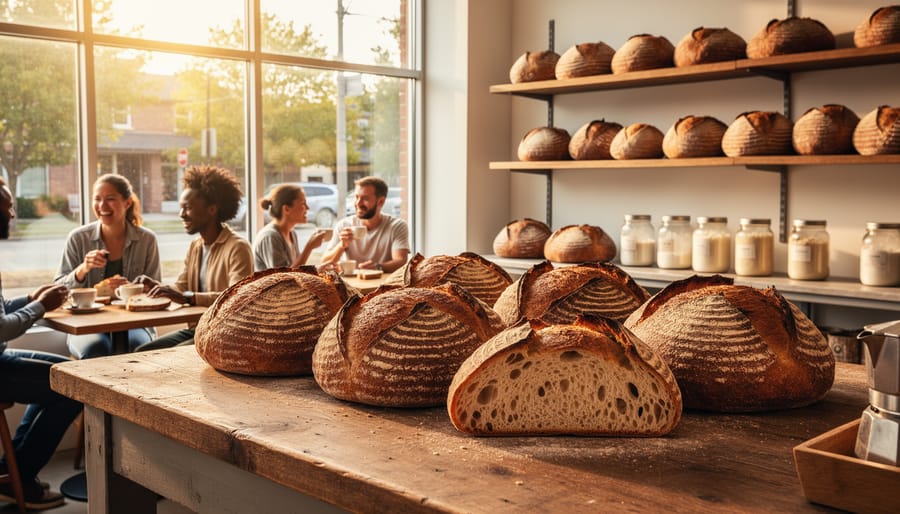
Sourdough relies on wild yeasts and bacteria to transform flour and water into tangy, crusty loaves, no commercial yeast required. This slow fermentation breaks down gluten and phytic acid, making the bread easier to digest than conventional loaves and allowing better mineral absorption. The live cultures create complex flavors that shift with each baker’s environment and technique.
Across Canadian Main Streets, independent bakeries are returning as neighborhood anchors. A sourdough shop becomes more than a place to buy bread; it’s where morning regulars chat over coffee, where starter cultures get passed between neighbors, and where the scent of baking pulls people off the sidewalk. These bakeries often source flour from regional mills and grains from prairie farmers, strengthening local supply chains.
The craft parallels other food traditions, much as Japanese cultural influence has shaped community spaces through shared practices, sourdough baking creates rituals that bring people together. Workshops teach starter maintenance and shaping techniques, turning customers into a network of home bakers who swap tips and celebrate each other’s results. Supporting your Main Street bakery means investing in a gathering place that feeds both body and community connection.
8. Pickles: Fermented Vegetables, Local Pride
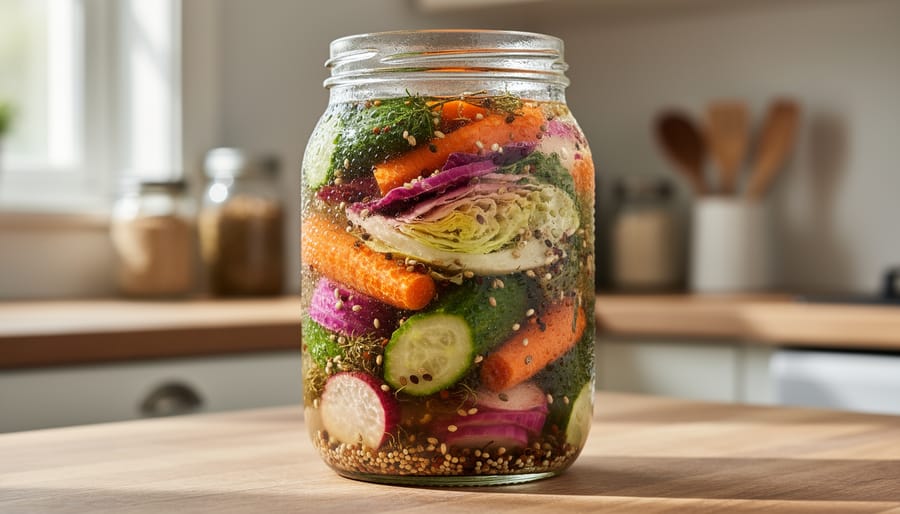
True fermented pickles rely on salt, time, and beneficial bacteria rather than vinegar, and they’re packed with live microbes that support gut health. These naturally fermented vegetables develop tangy flavor and probiotic content through lacto-fermentation, where beneficial lactic acid bacteria transform fresh cucumbers and other vegetables into crisp, probiotic-rich snacks.
Across Canada, small-batch producers at farmers markets and Main Street specialty shops craft fermented pickles using traditional methods and local ingredients. You’ll find everything from classic dill pickles to creative fermented carrots, beets, and mixed vegetable blends, each jar a testament to regional taste and artisan skill. Many producers experiment with seasonal vegetables and unique spice blends that reflect their community’s culinary heritage.
When shopping for fermented pickles, look for refrigerated products labeled as naturally fermented or containing live cultures. The jar should have brine, not clear vinegar, and you might spot slight cloudiness or active bubbles, signs of living fermentation. Supporting local pickle makers strengthens your Main Street economy while bringing authentic probiotic foods to your table. These producers often sell at farmers markets, where you can ask about their fermentation process and discover new flavors rooted in your own community’s food traditions.
9. Miso: Japanese Fermentation Meets Canadian Tables
Miso paste starts with fermented soybeans, rice or barley, and a culture called koji, aged anywhere from a few months to several years. The longer it ferments, the darker and more complex the flavor becomes. White miso tastes mild and slightly sweet; red miso delivers deeper, saltier notes that anchor hearty soups and marinades.
Japanese-Canadian communities have kept miso traditions alive for generations, and now its appeal extends far beyond cultural enclaves. You’ll find miso in ramen shops, plant-based cafes, and fusion kitchens across Canadian Main Streets, where chefs blend it into dressings, glazes, and even desserts. The paste adds umami depth to everything from roasted vegetables to butter.
Specialty Asian markets and natural food stores on Main Streets stock multiple varieties, often alongside kombucha and other fermented staples. Some carry miso made by Canadian producers who source local organic soybeans, creating a bridge between Japanese fermentation expertise and regional agriculture. Look for unpasteurized versions in the refrigerated section to get live microbes that support digestion and bring the probiotic benefits fermentation delivers.
10. Tempeh: Plant-Based Protein, Fermented Right
Tempeh transforms whole soybeans into a dense, protein-packed cake through controlled fermentation with Rhizopus mold cultures. Unlike tofu, tempeh keeps the entire soybean intact, delivering roughly 20 grams of protein per cup along with fiber, B vitamins, and minerals that support muscle health and sustained energy. The fermentation process breaks down complex proteins and carbohydrates, making nutrients more bioavailable and easier to digest than plain soybeans.
Canadian plant-based entrepreneurs have embraced tempeh production as demand for wholesome, locally-made protein grows in communities shifting toward more sustainable diets. Small-batch producers operate out of commercial kitchens in cities and towns across the country, supplying restaurants, health food co-ops, and farmers markets with fresh tempeh that hasn’t traveled thousands of miles. You’ll find tempeh at Main Street natural food stores, weekend market stalls, and even some grocery chains that prioritize Canadian suppliers.
Its firm texture and mild, nutty flavor make tempeh versatile: crumble it into chili, marinate and grill slabs for sandwiches, or cube and stir-fry with vegetables. Buying from local tempeh makers keeps dollars circulating in your community while supporting entrepreneurs who bring traditional Indonesian fermentation methods to Canadian kitchens.
11. Natto: An Acquired Taste Worth Trying
Natto divides people faster than almost any fermented food. This sticky, pungent Japanese staple is made by fermenting whole soybeans with Bacillus subtilis bacteria, creating long, gooey strands and a sharp, earthy smell that catches newcomers off guard. The texture is slippery, the flavor is intense, and the aroma is unmistakable.
But look past the first impression and you’ll find a nutritional powerhouse. Natto delivers complete protein, vitamin K2 for bone health, and an enzyme called nattokinase that researchers study for cardiovascular benefits. The fermentation process makes nutrients more bioavailable while creating those beneficial live microbes that support digestion.
In Japanese-Canadian communities across the country, natto remains a breakfast staple, typically served over rice with soy sauce and mustard. You’ll find it in the refrigerated sections of Japanese grocery stores on Main Streets in Vancouver, Toronto, and other cities with established Asian markets. Some specialty health food shops now stock it for adventurous eaters chasing the probiotic benefits.
Start small if you’re trying it for the first time. Mix it thoroughly to develop the characteristic stickiness, add strong flavors like green onions or pickled plum, and give your palate a few attempts to adjust. Not everyone will love natto, but those who do gain access to one of fermentation’s most distinctive traditions.
12. Olives: Mediterranean Fermentation Tradition
Olives transform from bitter, inedible fruit into savory delicacies through traditional fermentation in brine, a process that creates an environment for beneficial bacteria to flourish. Unlike most supermarket olives preserved in vinegar or simply packed in salt, traditionally fermented olives develop natural probiotics during weeks of curing, contributing to gut health while delivering the rich, complex flavors Mediterranean communities have cherished for centuries.
Across Canadian Main Streets, specialty shops run by Greek, Italian, Portuguese, and other Mediterranean-heritage families often stock authentic fermented olives alongside imported oils and cheeses. These businesses serve as cultural anchors in their neighborhoods, introducing broader communities to varieties like Kalamata, Castelvetrano, and wrinkled oil-cured olives. Some Canadian producers have begun crafting small-batch fermented olives using local salt and water, selling at farmers markets and independent grocers.
When shopping for probiotic-rich olives, look for refrigerated options labeled “naturally fermented” or “brine-cured” rather than shelf-stable jars. The cloudy brine is actually a good sign, it indicates active fermentation. Supporting these Mediterranean Main Street businesses preserves culinary traditions while strengthening the economic fabric of diverse Canadian communities.
13. Wild Fermented Sodas: Innovation in Every Bottle
Wild fermented sodas represent the creative edge of Canada’s fermented food movement. Unlike commercial sodas, these probiotic beverages use natural fermentation to create bubbles and complex flavors from local ingredients, think birch bark, wild berries, and foraged herbs transformed into fizzy, health-conscious drinks.
Canadian craft producers are experimenting with regional ingredients that reflect our diverse landscapes. A producer in British Columbia might ferment salal berries, while an Ontario artisan works with maple sap. These drinks appeal especially to younger generations seeking both wellness benefits and authentic, locally-rooted alternatives to mass-produced beverages.
You’ll find wild fermented sodas at farmers markets and specialty shops on Main Streets across the country. Their presence at cultural events and weekend markets demonstrates how innovative food products contribute to reviving Main Streets. Each bottle tells a story of local ingredients, creative fermentation, and community-focused food entrepreneurship.
14. Fermented Hot Sauce: Heat Meets Healthy Bacteria
Fermented hot sauce transforms fresh chilies into complex condiments through lacto-fermentation, where naturally occurring bacteria break down sugars and develop layered flavors impossible to achieve with vinegar alone. The process creates depth, smoky, tangy, earthy notes beneath the heat, while producing beneficial probiotics similar to those in kimchi and sauerkraut. Canadian artisan producers at farmers markets across provinces are experimenting with local pepper varieties and wild fermentation techniques, creating small-batch sauces that reflect regional ingredients and terroir. These craft producers often sell alongside other fermented foods, turning market visits into opportunities to explore probiotic-rich condiments that add both flavor and gut-health benefits to meals. The fermentation typically takes one to three weeks, during which lactobacillus bacteria dominate and preserve the sauce naturally while building its signature tangy kick.
15. Kvass: Eastern European Fermented Beverage

Kvass is a mildly alcoholic fermented beverage with roots in Eastern Europe, traditionally made from stale rye bread, water, and sugar. The bread provides starches that wild yeasts and bacteria ferment over several days, producing a tangy, slightly sweet drink with earthy, malty notes. In Russian, Ukrainian, and Polish-Canadian communities, kvass carries deep cultural meaning, it’s the taste of home, of summer markets, of grandmothers’ kitchens.
For decades, kvass was mostly a homemade tradition in Canada, passed down through families who immigrated from Eastern Europe. Today, a small but growing number of artisan producers are bringing kvass to farmers markets and specialty shops, experimenting with flavors like beet kvass or adding berries to traditional rye recipes. These producers preserve a cultural legacy while introducing new Canadians to a historic fermented drink.
Though kvass contains beneficial microbes from natural fermentation, its probiotic content varies depending on whether it’s pasteurized. Look for unpasteurized versions from local makers to maximize live cultures, and ask about ingredients, authentic kvass should be simple bread, water, and time.
Finding Fermented Foods on Your Main Street
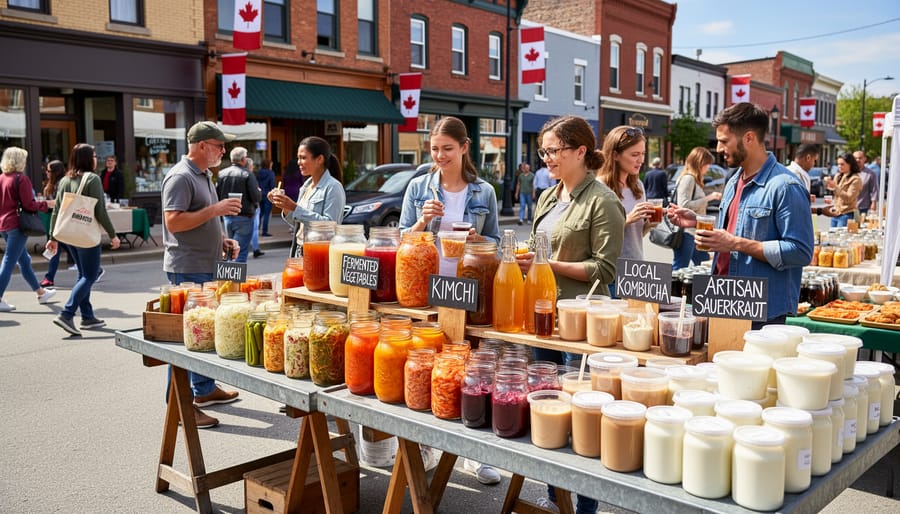
Your Main Street is likely teeming with fermented foods, if you know where to look. Start at your local farmers market, these community hubs connect you directly with producers who craft small-batch kimchi, sauerkraut, kombucha, and wild fermented sodas using regional ingredients. Markets offer the chance to meet makers, ask about their fermentation methods, and taste before you buy, turning grocery shopping into a relationship-building experience.
Beyond markets, explore Main Street specialty shops: health food stores stock kombucha and kefir from Canadian producers, artisanal bakeries sell sourdough made with local grains, and cheese shops feature aged varieties from regional fromageries. Asian grocers carry miso, tempeh, and natto, while European delis offer traditionally fermented pickles and kvass. These businesses form the backbone of distinctive, walkable Main Streets that reflect their communities’ diversity.
When you buy fermented foods locally, your dollars circulate within your community. Small producers hire local staff, source ingredients from nearby farms, and reinvest profits where they live. This economic multiplier effect strengthens Main Street businesses, preserves food traditions, and builds resilient local food systems that benefit everyone.
The Health Benefits Behind the Fermentation
Fermentation transforms ordinary ingredients into probiotic powerhouses. When vegetables, dairy, or grains ferment, beneficial bacteria multiply and create live microbes that fermented foods contain probiotics essential for gut health. These living organisms survive the journey to your digestive system, where they strengthen the microbial community already living there.
The digestive benefits start with improved nutrient absorption. Your gut breaks down food more efficiently when populated with diverse beneficial bacteria from foods like kimchi, sauerkraut, and kombucha. Many Canadians report less bloating, more regular digestion, and better tolerance of foods that previously caused discomfort after adding fermented options to their daily meals.
Your immune system also gets a boost. Roughly 70% of immune cells reside in your gut, so feeding them probiotic-rich foods creates a stronger first line of defense against illness. Research continues to explore connections between fermented foods and weight management, though experts agree that no single food type replaces balanced eating and an active lifestyle.
Supporting local fermented food producers means investing in your health and your community simultaneously. Canadian artisans crafting these products often use traditional methods that preserve maximum probiotic activity, and buying from Main Street shops keeps both the food chain short and the health benefits fresh.
Common Questions About Fermented Foods
Do all fermented foods contain probiotics?
Not all fermented foods contain live probiotics. Foods like kimchi, sauerkraut, and kombucha have live microbes in them, while others lose beneficial bacteria during pasteurization or cooking. Check labels for “live cultures” or “unpasteurized” to ensure you’re getting active probiotics.
How do you know if fermentation is active?
Active fermentation shows visible signs like bubbles in the liquid, a tangy or sour smell, and sometimes fizzing when you open the container. Unpasteurized products stored in the refrigerator section typically maintain live cultures, while shelf-stable versions have often been heat-treated.
Are fermented foods safe to eat?
Yes, properly fermented foods are safe and have been preserved through fermentation for thousands of years. The beneficial bacteria create an acidic environment that prevents harmful microbes from growing. Buy from reputable local producers who follow food safety guidelines.
What’s the difference between fermented and pickled?
Fermented foods develop beneficial bacteria through natural fermentation, creating probiotics and complex flavors. Pickled foods are typically preserved in vinegar without the fermentation process, so they lack live cultures even though both methods preserve vegetables.
How can communities support local fermented food producers?
Shop at farmers markets where small-batch producers sell directly, visit specialty shops on your Main Street that stock local fermented foods, and spread the word about Canadian artisans in your area. Your purchases help strengthen local food systems and keep traditional fermentation skills alive in your community.
Understanding these basics helps you make informed choices when exploring the diverse world of fermented foods. Whether you’re browsing a farmers market or walking into a Main Street specialty shop, you’ll know what questions to ask and what to look for on labels. The producers crafting these probiotic-rich foods in your community appreciate curious customers who value quality and tradition.
Fermented foods stand at the crossroads of ancient wisdom and contemporary wellness, proving that the most powerful health solutions often come from traditions we’ve practiced for centuries. From kimchi to kombucha, these living foods do more than nourish individual bodies, they strengthen the fabric of Canadian communities. When you choose fermented foods from your local Main Street producer, you’re investing in more than probiotics. You’re supporting artisan cheese-makers, craft kombucha brewers, and farmers market vendors who bring diversity and vitality to our neighborhoods.
Your Main Street is likely home to producers creating these probiotic-rich foods right now. Visit your local farmers market, step into that specialty shop you’ve been curious about, or strike up a conversation with the vendor selling small-batch sauerkraut. Each purchase becomes a vote for local food systems, economic resilience, and community connection.
Food has always brought people together, and fermented foods carry that tradition forward with purpose. They remind us that health grows from community, that flavor tells cultural stories, and that the simple act of supporting local producers creates ripples far beyond our dinner tables. Your journey into fermentation starts on your own Main Street.