
COVID-19 prevention measures are the layered steps that businesses, workplaces and communities take to slow the spread of the virus: staying home when sick, keeping vaccinations current, improving ventilation, cleaning shared surfaces, and wearing masks where local guidance calls for them. No single step does the job alone. Together, they protect your staff, your customers and the neighbours who keep your Main Street alive.
For a small business owner or local official, the practical question isn’t whether to act but which measures apply to you. That depends on where you operate. Public health authorities in your province, territory or municipality set the rules, and those rules can differ from one community to the next and change over time.
Think of how Main Street communities across Canada have always rallied: the hardware store that delivered to a neighbour, the café that reorganized its seating so regulars could keep coming. That spirit of community involvement is what makes prevention work. This guide explains what the measures are, where your obligations and rights begin, and where to find trusted, current help.
What COVID-19 Prevention Measures Mean for a Main Street Business
Who Sets the Guidance in Canada
In Canada, COVID-19 guidance comes from several layers, and each plays a different role. The Public Health Agency of Canada provides national guidance and works with provinces and territories through a shared federal-provincial-territorial response plan. Health is largely a provincial and territorial responsibility, so those governments and their chief medical officers of health set the rules and recommendations that apply where you live and work.
Local public health units then turn that direction into advice for your own community, and municipalities may add requirements for public spaces, permits, and licensed businesses.
Workplace safety regulators, which are provincial or territorial, set the duties employers owe their staff. Because the details differ from place to place and change over time, the best habit is to check with your provincial health authority and local public health unit before you decide what applies to your shop.
Requirements, Recommendations, and Good Practice
A requirement is something you must do. It comes from a public health order, a bylaw, or workplace safety law, and ignoring it can bring penalties. A recommendation is official advice from a public health body. It isn’t binding, but it reflects the best current evidence. Good practice is everything else: sensible steps you choose because they suit your space, your staff, and your neighbours.
The easiest test is to ask who is behind the instruction and whether anyone can enforce it. If a regulator or local authority can, it’s a requirement. If a health agency suggests it, it’s a recommendation. If you adopted it because it makes sense for your café or shop, it’s good practice.
This matters because it keeps you from overreacting or underreacting. You can’t skip a legal duty, but you also don’t need to copy every suggestion into a rule that tires out staff and puts customers off. Start with what’s mandatory, weigh what’s recommended, and add voluntary steps that fit your business. Many owners find that layered workplace infection controls make this easier to sort out. Each layer can be adjusted as conditions change.
Everyday Measures That Keep Shops, Cafés, and Restaurants Safer
Food and Drink Spaces: Extra Considerations
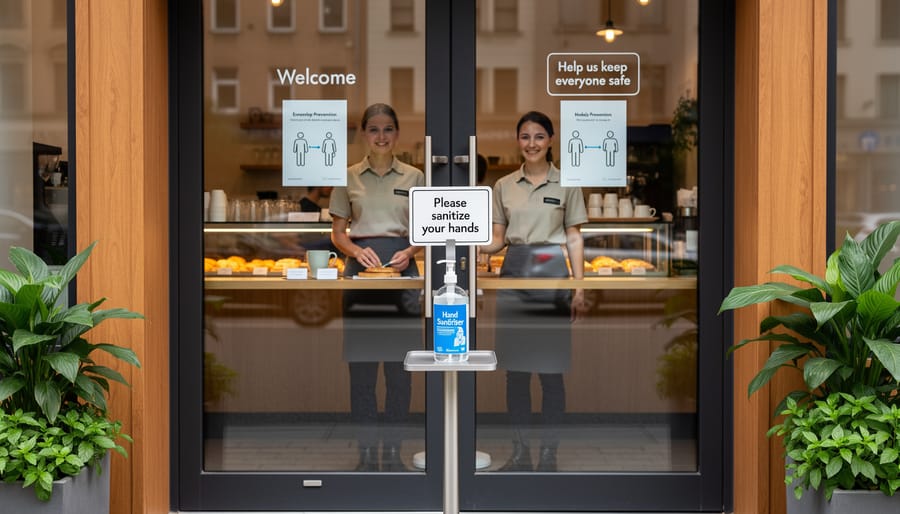
Cafés, bakeries, restaurants, and markets carry two sets of rules at once: food-safety requirements and public health measures. The good news is they overlap more than you’d expect. Handwashing, clean surfaces, and sick-day policies protect both your food and your people. Your local public health unit can tell you what applies where you are.
Part of what makes Main Street dining special is the closeness, so spacing and seating deserve a thoughtful look. Spread tables where the room allows, keep aisles clear at the counter, and offer a few seats near doors or open windows. Air matters too. The federal ventilation and filtration guidance offers useful principles, even though it was written for long-term care settings.
| Measure | What it looks like | Low-cost way to start |
|---|---|---|
| Ventilation | Fresh air moving through the dining area | Open doors or windows when weather allows; service your existing filters |
| Sanitizing stations | Hand sanitizer at the door and counter | Place a pump bottle by the entrance |
| Sick-leave policy | Staff stay home when ill | Write a one-page policy and share it at your next team huddle |
| Takeout and curbside | Orders handed off at the door or kerb | Set aside a pickup shelf and a simple sign |
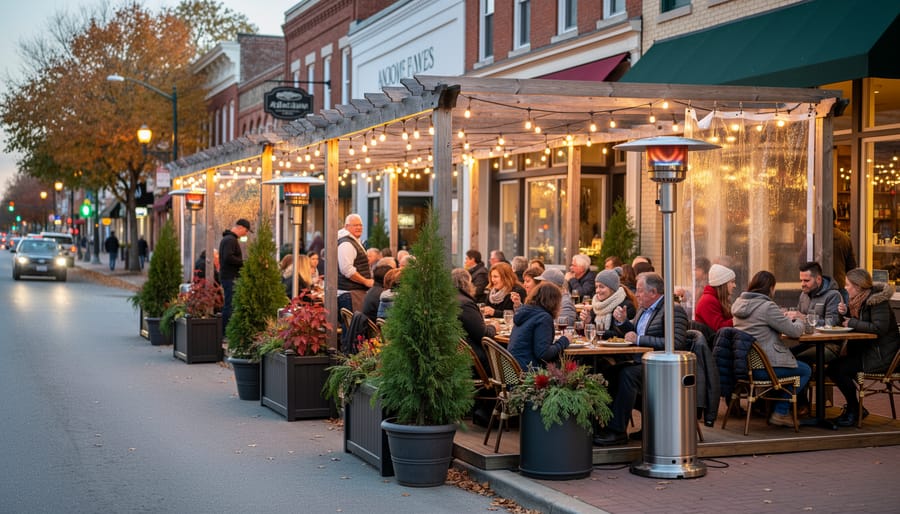
Outdoor options help, too. A patio, sidewalk table, or market stall gives guests more airflow, and many Canadian communities treat patio season as a downtown highlight. Check local rules before you expand outdoors.
Who Is Expected to Follow Which Measures: Eligibility and Scope
Not every COVID-19 prevention measure applies to every business. What you’re expected to do depends on where you operate, what you sell, how many people work with you, and what public health orders are in effect at the moment. Rules change, so treat this as a framework for asking the right questions, not a final answer.
Sector and size matter. A busy restaurant with a full kitchen crew faces different expectations than a one-chair barbershop or a home-based bookkeeper. Public-facing venues, such as shops, cafés, and theatres, are generally held to different standards than private workplaces with no walk-in traffic. Employers also carry duties that a self-employed owner working alone typically doesn’t, particularly around keeping a safe workplace for staff under occupational health and safety rules.
Some settings face stricter expectations. Health-care facilities, long-term care homes, and other congregate settings, where people live or gather closely, often have tighter requirements because the people inside may be more vulnerable. If your business serves or operates near these settings, check whether additional rules apply.
Here are a few questions to help you sort out which measures may apply to you:
- What province or territory are you in?
- Is your business public-facing?
- Do you have employees?
- Do you serve food?
- Is there a local public health order in effect?
Your answers point you toward the right conversation, but your local public health unit or provincial workplace safety agency has the final word. A quick call or website check before you make changes can save you time and worry.
Support is another piece of the picture. Depending on where you are, some businesses may qualify for help tied to prevention, such as grants, training, or technical advice. These programs open, change, and close over time, and eligibility rules differ by program. Always confirm details directly with the program administrator before you count on any support. A neighbourly nudge: ask your local chamber of commerce or business improvement area, since they often know what’s available close to home.
Your Rights and Responsibilities as an Owner, Employee, or Customer
For Business Owners and Employers
Employers carry a clear duty under occupational health and safety rules: keep the workplace reasonably safe for everyone in it. For COVID-19, that usually means identifying where people gather or touch shared surfaces, then choosing measures that fit your space, such as better ventilation, hand hygiene stations, and sensible sick-day practices.
Clear communication matters just as much. Tell staff what the measures are, why they exist, and who to talk to with concerns. Then apply them consistently, to everyone and every shift, so the rules feel fair rather than arbitrary. A team that trusts the plan is far more likely to follow it, and that keeps your doors open and your neighbours coming back.
For Employees and Customers
Employees have the right to a safe workplace. If something about COVID-19 precautions concerns you, start by talking with your supervisor or your workplace health and safety representative or committee. Most jurisdictions also protect workers who raise safety concerns in good faith, and some allow a refusal of unsafe work through a set process, so check your provincial or territorial workplace safety agency for the exact steps. Health information is personal, and you shouldn’t feel pressured to share more than you’re comfortable with.
Customers play a part too. Stay home when you’re sick, follow posted guidance, and be patient with staff who are doing their best. A little kindness goes a long way on Main Street.
Putting Measures in Place Without Losing Your Main Street Charm

Start with the rules, not the gear. Before you buy a single hand sanitizer station, check what your province, territory, or local public health unit actually requires of your type of business. Requirements shift, and a quick call or a visit to the official website saves you from guessing.
Next, walk your space the way a first-time customer would. Where do people line up? Where does the air feel stale, especially in a closed-up February shop? Which doorknobs, counters, and card machines get touched most? Your own eyes will show you more than any checklist.
Then choose measures that fit. A tiny bookshop and a busy restaurant don’t need the same plan. Pick a few steps you can keep up every day, such as better ventilation, a clear sick-day policy, and tidy cleaning routines, rather than a long list that quietly fades by spring.
Tell people what you’re doing, and say it kindly. A friendly sign by the door and a short chat at your next team huddle go a long way. Staff should know what’s expected and feel free to speak up. Customers tend to follow a request that sounds like it comes from a neighbour, not a rulebook.
Finally, set a regular date to review. Guidance changes, seasons change, and so does your foot traffic. A quick check every few months keeps your approach fresh and proportionate.
You don’t have to figure it all out alone. Main Street Canada’s approach to community vitality is built on training, technical support, and recognition for the people who keep downtowns going, and many of the community supports that grow out of that work can help you put a plan in place without losing what makes your shop yours.
Think of how neighbours show up when a place feels cared for. They linger on the patio in July, load up their totes at the Saturday farmers’ market, and pop into the corner café after the rink for a hot coffee. A welcoming, well-run space is what draws them back downtown, one friendly visit at a time.
Where to Get Help: Official Resources and Main Street Support
When you’re unsure which COVID-19 prevention measures apply to your business, start with the people whose job it is to know. Begin with the Public Health Agency of Canada for national guidance, then check your provincial or territorial health ministry for the rules that actually govern your shop, café, or service counter. Your local public health unit can answer questions specific to your community, and your provincial workplace safety agency can explain what’s expected of you as an employer.
Closer to home, your municipal business improvement area, economic development office, and local chamber of commerce are often the quickest route to practical, neighbour-tested advice. They know the local bylaws, and they often hear about training and support before it’s widely announced.
Main Street Canada is another good place to turn. It offers community revitalization strategies, training, and technical support aimed at keeping downtowns welcoming and resilient. If you’re curious about funding models that support local initiatives, you can also read about how a Z Funding grant works to back Main Street projects.
One caution: programs, eligibility, and deadlines change. Always contact each organization directly for current details before you plan around any support.
Are COVID-19 measures still required for my business?
It depends on your province, territory, municipality, and sector. Check with your local public health unit and workplace safety agency for what currently applies to you.
Who do I ask if I’m unsure which rules apply?
Your local public health unit and provincial workplace safety agency are the best first calls. A chamber of commerce or business improvement area can point you in the right direction too.
What should I do if an employee or customer raises a safety concern?
Listen respectfully, take it seriously, and look at whether a proportionate adjustment makes sense. If you’re unsure, ask your workplace safety agency for guidance.
How often should I review my measures?
Review them regularly and whenever official guidance changes. A quick check each season is a sensible habit for most small businesses.
Taking a few minutes to reach out can save you time, stress, and guesswork, and it keeps your doors open to the neighbours who count on you.
Looking after each other has always been the heart of a good Main Street. Thoughtful, proportionate prevention measures, from clean air and handwashing stations to staying home when you’re sick, protect the people who work and shop there while keeping the doors open and the welcome warm. None of it has to be complicated or costly. It just has to be steady, clear and kind.
Before you make changes, confirm what’s required where you live, since rules differ across provinces, territories and municipalities. Lean on trusted sources like your local public health unit and workplace safety agency, and don’t hesitate to ask for help.
Then keep doing what Canadians do best: show up for the places that make a neighbourhood feel like home. Grab that coffee after the game, wander the farmers’ market, stroll the patio in summer. When neighbours look out for one another, Main Streets thrive. We invite you to explore Main Street Canada’s community resources and keep that spirit going.