
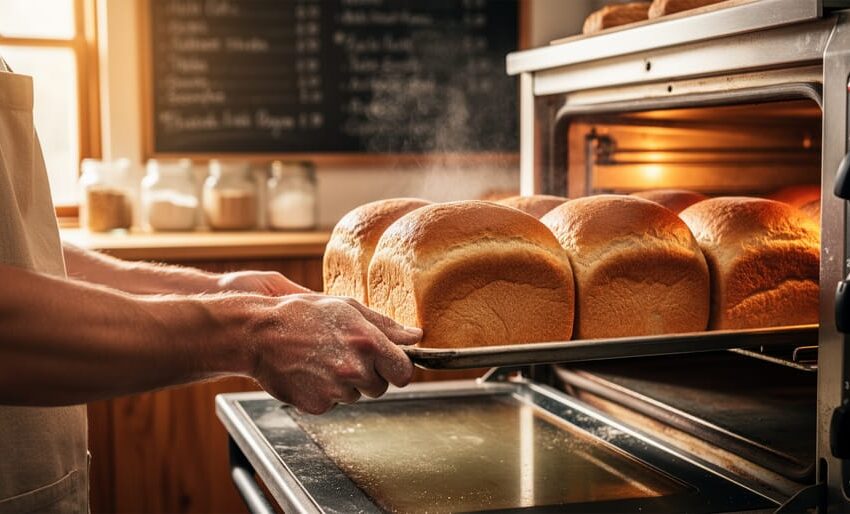
A culinary experience is any moment where food does more than feed you: it connects you to a place, its people, and the stories behind what’s on the plate. Think of a farmers’ market stall where the grower hands you a tomato and tells you which field it came from, or a Main Street bakery whose recipe has crossed three generations. That’s the idea at its simplest, and it’s why these experiences matter so much to the towns that offer them.
Canada’s food identity is wonderfully varied. Maritime seafood chowders, Prairie harvest suppers, Quebec sugar shacks, Indigenous bannock and wild game traditions, and the many cuisines newcomers have brought to our neighbourhoods all tell a different part of the national story. When a community leans into that variety, something shifts. Visitors linger longer, local producers find new customers, and empty storefronts start to fill.
Creating a strong culinary experience doesn’t take a big budget. It takes a clear sense of what makes your place distinct, partnerships between growers, chefs, and shop owners, and a willingness to invite people to the table. This article walks through what defines a culinary experience, how Canadian communities have built them, and the practical steps your Main Street can take to do the same.
What Makes a Culinary Experience More Than Just Dinner
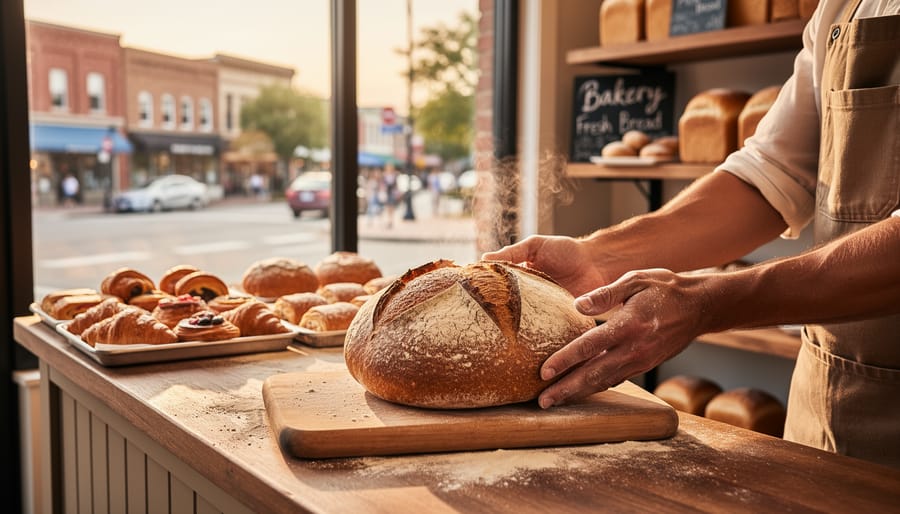
A transactional meal fills you up and sends you on your way. You order, you eat, you pay, and by Thursday you can’t recall what was on the plate. A culinary experience sticks. It’s the kind of meal you describe to a cousin on the phone, or the reason you drive an extra twenty minutes on a Saturday.
So what goes into one? Start with a sense of place. The Saturday farmers’ market works because the tomatoes, honey and sourdough all come from within an hour’s drive, and you can tell. Add the story behind the food: the sugar shack where a family has tapped the same maple trees for generations, and the steam rising off the evaporator while you wait for taffy on snow. Then there are the people. The volunteer flipping pancakes in the church basement knows half the room by name, and that warmth is part of the recipe.
Finally, there’s belonging. Think of the Nanaimo bar that goes around at a potluck, passed hand to hand until the pan is empty. Nobody ordered it, yet it’s what people remember.
A few plain definitions help keep these ideas straight:
- Culinary experience
- A meal or food event where the people, place, story and flavours come together, so it means more than the food alone.
- Farm-to-table
- An approach where restaurants and cooks serve ingredients sourced directly from nearby farms and producers.
- Food tourism
- Travelling to a place specifically to taste its local dishes, visit its markets and learn about its food traditions.
- Local food economy
- The web of growers, makers, shops and eateries in a community that keep food dollars circulating close to home.
When these ingredients show up together, a simple plate becomes a reason to gather. That’s what turns a quiet block of storefronts into a place people want to return to.
Canada’s Flavours Belong to Every Corner of the Country

Honouring Indigenous Foodways
Some of the richest culinary experiences on any Main Street begin with foods that have nourished this land for thousands of years: wild rice, bannock, smoked salmon, bison, maple, berries, and the Three Sisters of corn, beans, and squash. Sharing these foods carries a responsibility, and the best way to meet it is to let Indigenous communities lead.
That means inviting Indigenous chefs, knowledge keepers, harvesters, and food entrepreneurs to the table as partners, not as a feature added to a menu. They decide which stories are told, how traditional foods are prepared and named, and what is appropriate to share with the public. Fair compensation and shared decision-making matter just as much as good intentions.
Start by listening. Reach out to local First Nations, Métis, and Inuit organizations, ask how they would like to take part, and be ready to follow their lead. When the storytellers are the ones in charge, visitors taste something genuine, and everyone leaves with a deeper respect for the people and place behind the plate.
Newcomer Cuisines Revitalizing Downtowns
Walk down almost any Canadian Main Street and you’ll find proof that downtowns are being renewed one family kitchen at a time. A Syrian bakery takes over the old shoe store. A Filipino café opens where the hardware counter used to be. A Somali tea house, a Vietnamese noodle shop, a Portuguese grill: each one lights up a storefront that might otherwise sit dark.
These businesses do more than fill vacancies. They bring new smells, languages, and traditions to the sidewalk, and they invite neighbours to taste something unfamiliar over a shared table. Many are run by relatives who open early, close late, and know their regulars by name, which is exactly the kind of personal welcome Main Streets are known for.
Together, they stretch what a Main Street meal can be. A cinnamon bun and a pho bowl can sit side by side, and both can tell a story worth savouring.
How Food Brings Main Streets Back to Life
Walk past a busy bakery at nine on a Saturday morning and you can see the whole story. People line up, chat, and then wander next door to browse the bookshop or grab a coffee. A single good food business can set that kind of rhythm for an entire block.
The economic spark is the easiest to spot. Restaurants, cafés, and markets bring steady foot traffic, and people who come for a meal tend to linger, shop, and return. That helps the neighbouring florist, hardware store, and gift shop. It also puts life back into empty storefronts, since a new eatery often gives landlords and other entrepreneurs the confidence to take a chance on the same street. Add the jobs created in kitchens, dining rooms, and supply chains, and food becomes a quiet engine for local prosperity. Of course, eateries face their own pressures, as this look at Indigenous foods led by Indigenous voices reminds us that supporting them matters.
The social side matters just as much. A shared table turns strangers into neighbours, and a festival or night market gives a community a reason to gather and feel proud of where it lives. Healthy community involvement often starts with something as simple as a potluck, a pancake breakfast, or a seasonal food fair.
Physically, busy food spaces bring patios, lighting, restored heritage buildings, and cared-for sidewalks. This is exactly the mix of economic, social, and physical vitality that Main Street Canada works to strengthen.
Main Street Success Stories Worth Savouring
Picture a century-old building that sat empty for years, its windows papered over and its brick crumbling. Then a few neighbours, a local heritage group, and a baker with a big dream decided it deserved a second life. Today the same space hums with morning commuters, the ovens warm by five a.m. Stories like this one are told in many Canadian downtowns, and while the details differ from town to town, the lessons tend to rhyme.
Consider the heritage building reborn as a bakery-café. The magic usually isn’t just the sourdough. It’s the partnership behind it: a town council that helped with permits, a historical society that guided the restoration, and a baker who sourced flour from a farm down the road. The result is a place where preserved architecture and fresh bread tell the same story about where a community comes from.
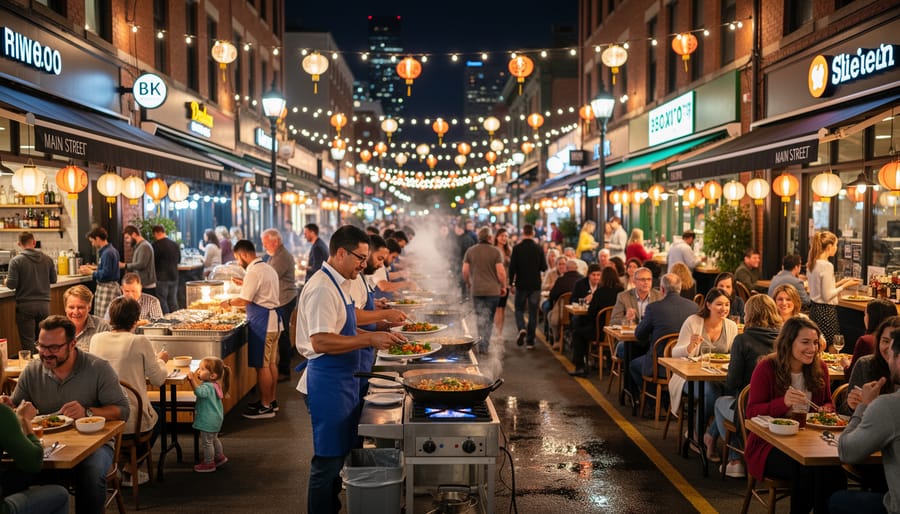
Then there’s the night market that turned an empty street into a destination. Often it begins modestly, with a handful of food vendors, string lights, and a closed-off block on a summer Friday. Organizers learn quickly that success depends on welcoming newcomers, keeping vendor fees fair, and inviting neighbouring shops to stay open late. Families arrive for the dumplings and bannock tacos, then linger long enough to browse the bookstore next door.
Finally, think about the local food trail that links independent restaurants. A simple passport-style map, a few shared stamps, and a joint social media effort can send diners strolling from a diner’s pie to a pierogi counter to a coffee roaster around the corner. Competitors become collaborators, and every stop benefits.
What do these stories share? Each began with local assets rather than outside rescue. Each relied on people willing to roll up their sleeves, from volunteers hauling picnic tables to business owners cross-promoting one another. And each grew patiently, with early small wins building confidence for bigger ideas.
These are illustrative narratives, but they reflect the spirit of countless Main Street champions across the country. The takeaway is encouraging: you don’t need a big budget to start. You need a shared table, a few committed neighbours, and the belief that your downtown is worth gathering in.
Ways Your Community Can Cultivate Culinary Experiences
Every Main Street already has more going for it than it realizes. The trick is to build on what’s there rather than import something that doesn’t fit. Start with local assets: the family bakery, the farmer who sells at the Saturday market, the church hall with a good kitchen, the empty storefront that could host a pop-up. Then bring in partners. Local farmers, producers, fishers and foragers give any food offering a story worth telling, and they’re often eager for a downtown audience.
Pop-ups and food markets are low-risk ways to test ideas, and they give new food entrepreneurs a place to start without signing a long lease. Gathering spaces matter just as much. A parklet with picnic tables, a shaded courtyard or a closed-off block on a summer evening turns a quick bite into a lingering visit. Seasonal celebrations like a harvest supper or a spring maple tasting give people a reason to return, and well-planned cultural events can invite newcomers and Indigenous partners to share their own traditions at the table.
Here’s a simple way to get moving:
- Take stock of your local food assets, including producers, kitchens, venues and long-time favourites.
- Gather partners from business, municipal staff, farmers, and cultural groups around one table.
- Start small with a pilot event, such as a one-day market or a pop-up dinner.
- Share the story through photos, local media and word of mouth, crediting the people behind the food.
- Build on what works, and quietly retire what doesn’t.
You don’t have to go it alone. Main Street Canada’s training, technical support and recognition initiatives can help communities plan with confidence, and understanding how community supports work will help you line up the right partners. When it’s time to fund a bigger step, it’s worth learning how a grant model can back local projects.
Common Questions About Building a Food-Friendly Main Street
How can we support new food entrepreneurs?
Start by lowering the barriers to entry. Pop-up stalls, shared commercial kitchens, and short-term market spots let someone test a recipe with real customers before signing a long lease. A simple welcome package that explains permits, inspections, and who to call at town hall also saves newcomers weeks of frustration.
How do we make events welcoming to everyone?
Think about who might feel left out, then invite them to help plan. Offer a mix of price points, label ingredients clearly for common allergies, and choose accessible, well-lit locations with seating. Featuring vendors from many cultural backgrounds tells people they belong at the table.
How do we balance new ventures with long-standing favourites?
Treat them as partners, not rivals. Cross-promote through a shared food trail or a “locals’ picks” map, and invite longtime owners to mentor newer ones. The corner diner and the new noodle shop draw different crowds, and together they give people more reasons to linger downtown.
How do we keep things going through the seasons?
Plan for the cold months from the start. Indoor markets, winter warm-up events, holiday baking sales, and cozy patios with heaters keep foot traffic steady. Lean on seasonal ingredients, too: spring maple, summer berries, and autumn harvest suppers give every season its own flavour.
Think back to that corner bakery, the warm bread in the air, the counter where someone already knows your order. That small moment holds the whole story. A great meal on Main Street feeds more than appetites. It keeps neighbours connected, gives local businesses a reason to stay open late, and builds the kind of shared pride that makes a downtown worth coming home to.
So here’s an invitation. This week, pull up a chair at a local eatery you’ve been meaning to try. Order the daily special, ask about the story behind it, and bring someone along. Every table filled is a quiet vote for the place you live.
And if you’re dreaming bigger, wondering how your own community could share its flavours with the country, you don’t have to start from scratch. Main Street Canada’s resources are there for communities ready to grow, one good meal at a time.